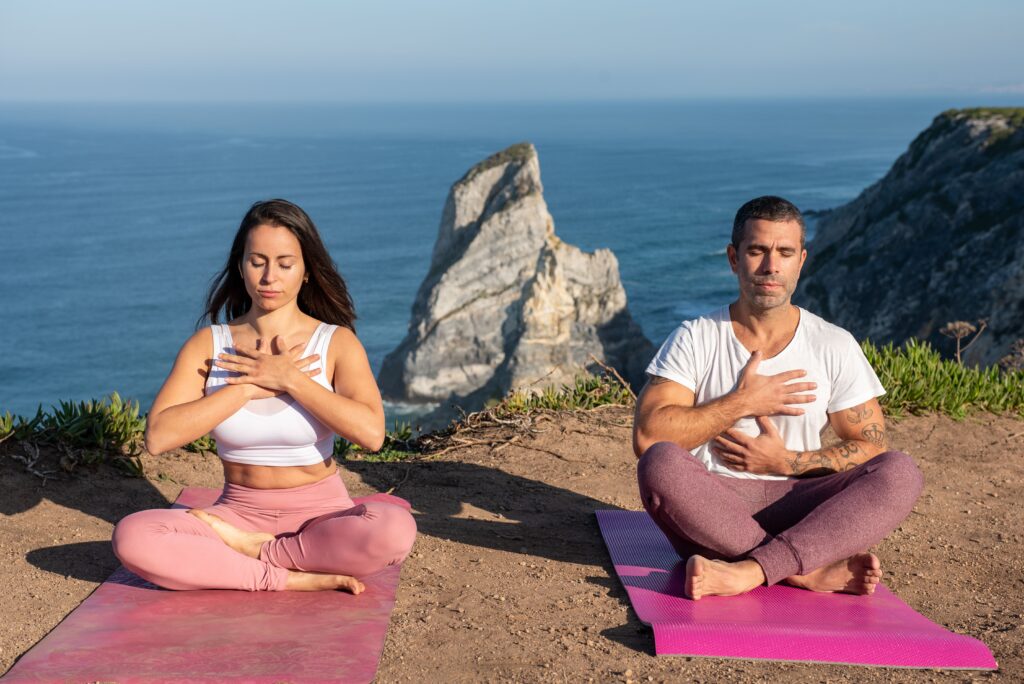
Yoga is much more than physical postures and stretching exercises. At the heart of yoga lies the practice of conscious breathing, known as Pranayama. The word “Pranayama” is derived from two Sanskrit words: “Prana,” meaning life force or vital energy, and “Ayama,” meaning expansion or control. Together, they represent the art of regulating the breath to enhance the flow of life energy throughout the body.
Breathing is something we do every moment of our lives, yet most people rarely pay attention to it. Stress, anxiety, poor posture, and unhealthy lifestyles often lead to shallow breathing patterns that reduce oxygen supply to the body. Yoga breathing techniques help restore natural breathing, improve lung capacity, calm the mind, and promote overall health.
Practicing breathing exercises regularly can transform both physical and mental well-being. Whether you are a beginner or an experienced yoga practitioner, incorporating pranayama into your daily routine can bring remarkable benefits.
What Are Yoga Breathing Techniques?
Yoga breathing techniques are controlled breathing exercises designed to improve the connection between the body, mind, and breath. These techniques help regulate the nervous system, increase oxygen intake, and promote emotional balance.
Unlike ordinary breathing, pranayama involves conscious awareness of inhalation, exhalation, and breath retention. Through regular practice, individuals can cultivate inner calmness, mental clarity, and enhanced energy levels.
Deep Yogic Breathing (Dirga Pranayama)
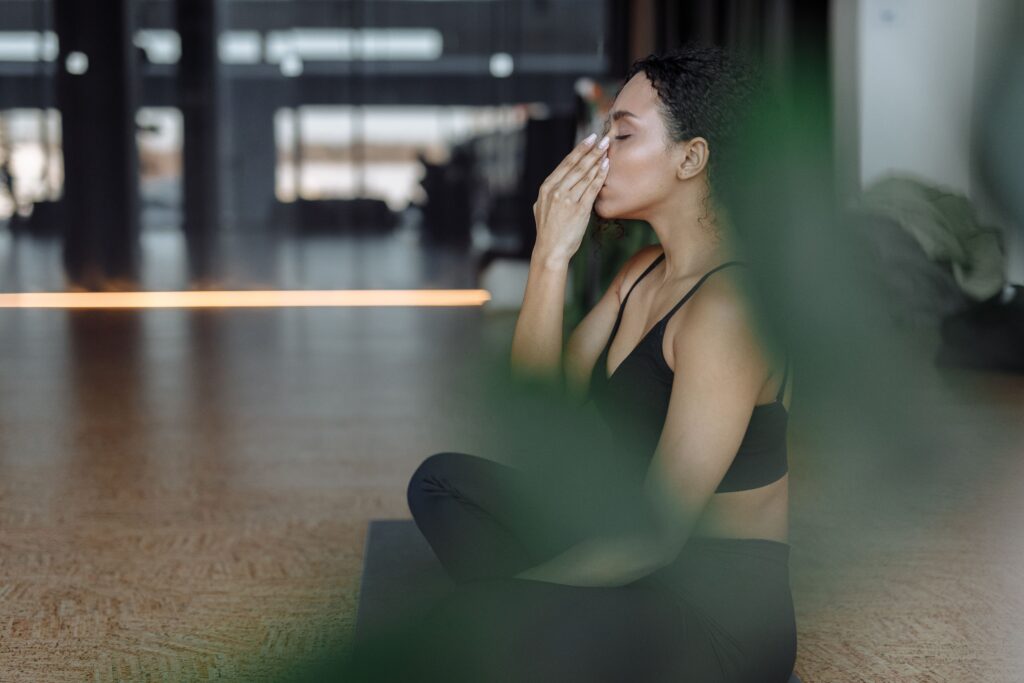
Deep Yogic Breathing is one of the simplest and most effective breathing practices. It involves breathing deeply into the abdomen, chest, and upper lungs.
How to Practice:
- Sit comfortably with a straight spine.
- Inhale slowly through the nose, expanding the abdomen first.
- Continue inhaling to fill the chest and upper lungs.
- Exhale slowly and completely through the nose.
- Repeat for 5–10 minutes.
Benefits:
- Improves oxygen supply.
- Reduces stress and anxiety.
- Enhances lung function.
- Promotes relaxation.
Alternate Nostril Breathing (Nadi Shodhana)
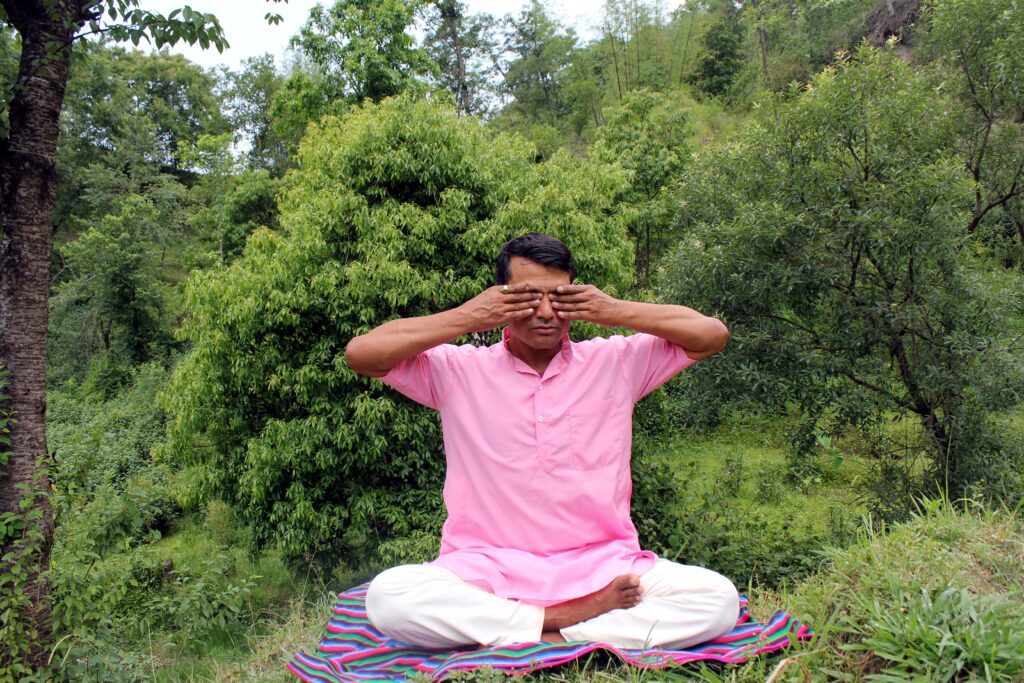
This technique balances the left and right hemispheres of the brain and promotes mental harmony.
How to Practice:
- Sit comfortably.
- Close the right nostril with your thumb.
- Inhale through the left nostril.
- Close the left nostril and exhale through the right.
- Inhale through the right nostril.
- Switch and exhale through the left.
- Continue for several rounds.
Benefits:
- Calms the mind.
- Improves concentration.
- Balances energy levels.
- Supports emotional stability.
Kapalabhati (Skull Shining Breath)
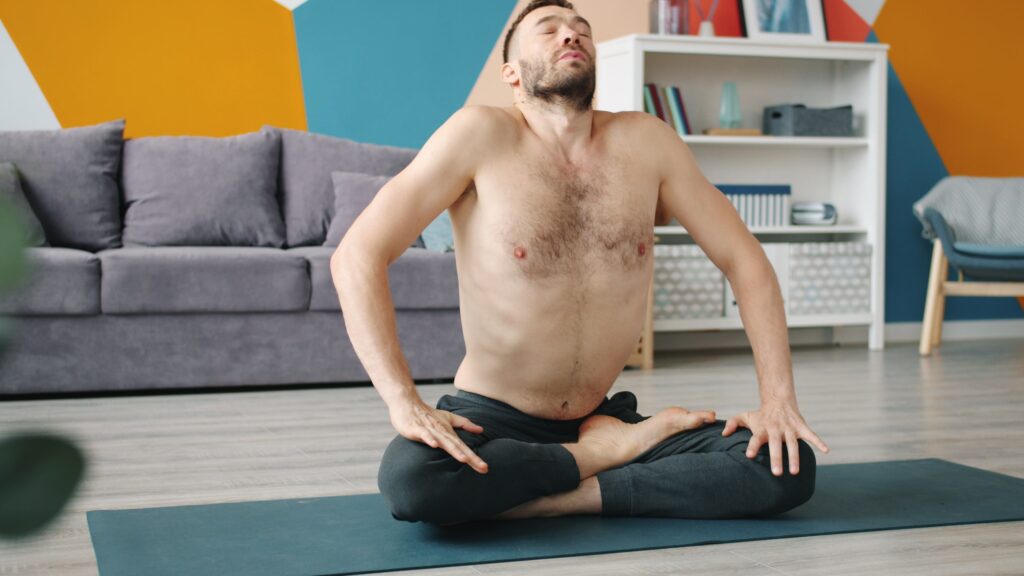
Kapalabhati is a cleansing breathing technique involving forceful exhalations and passive inhalations.
Benefits:
- Detoxifies the respiratory system.
- Increases energy and alertness.
- Strengthens abdominal muscles.
- Enhances metabolism.
Bhramari Pranayama (Bee Breathing)
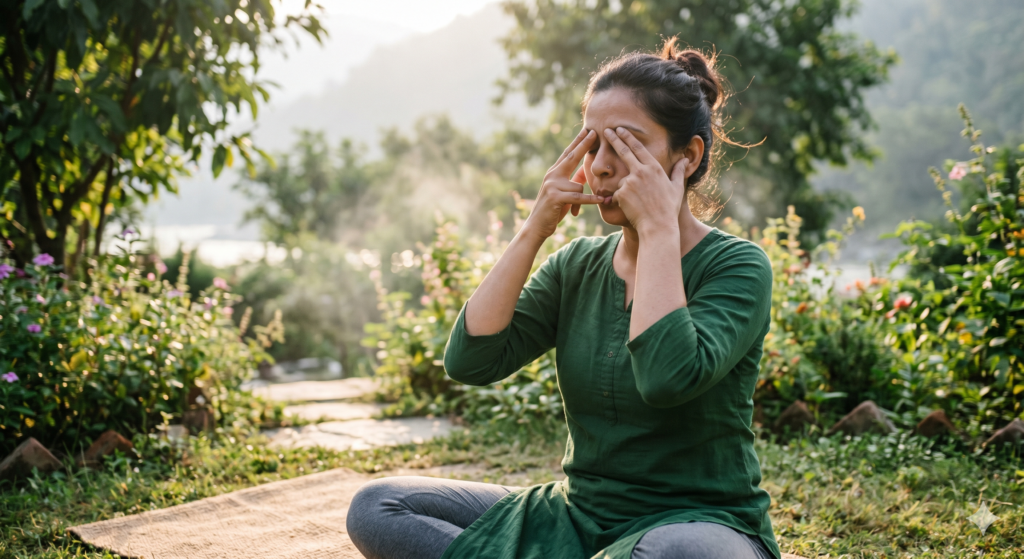
This technique involves producing a humming sound while exhaling.
Benefits:
- Relieves stress and frustration.
- Improves focus and memory.
- Reduces mental tension.
- Promotes better sleep.
Tips for Practicing Yoga Breathing Safely
To gain maximum benefits from pranayama, consider the following guidelines:
- Practice on an empty stomach or at least two hours after a meal.
- Sit comfortably with a straight spine.
- Begin with simple techniques before progressing to advanced practices.
- Breathe through the nose unless instructed otherwise.
- Practice in a quiet and well-ventilated environment.
- Avoid forcing the breath.
- Consult a qualified yoga instructor if you have respiratory or cardiovascular conditions.